

In the heart of Uganda, where lush landscapes meet resilient communities, a rich tradition thrives—the use of medicinal plants by traditional herbalists to combat opportunistic infections (OIs) in people living with HIV/AIDS (PLWHA). This centuries-old knowledge offers insights into sustainable healthcare solutions, bridging the gap between traditional and modern medicine.
A Critical Challenge: Opportunistic Infections in HIV/AIDS
Globally, over 36.9 million individuals live with HIV/AIDS, with more than two-thirds residing in sub-Saharan Africa. Opportunistic infections—bacterial, viral, fungal, and parasitic—are a leading cause of morbidity and mortality in PLWHA, especially in resource-limited settings like Uganda. While antiretroviral therapy (ART) has revolutionized HIV management, barriers such as affordability and accessibility leave many turning to traditional medicine.
The Power of Indigenous Knowledge
A recent study documented the traditional knowledge of 90 herbalists across Uganda. These practitioners, armed with a deep understanding of their environment, identified 236 plant species from 70 families, demonstrating a profound connection between biodiversity and health.
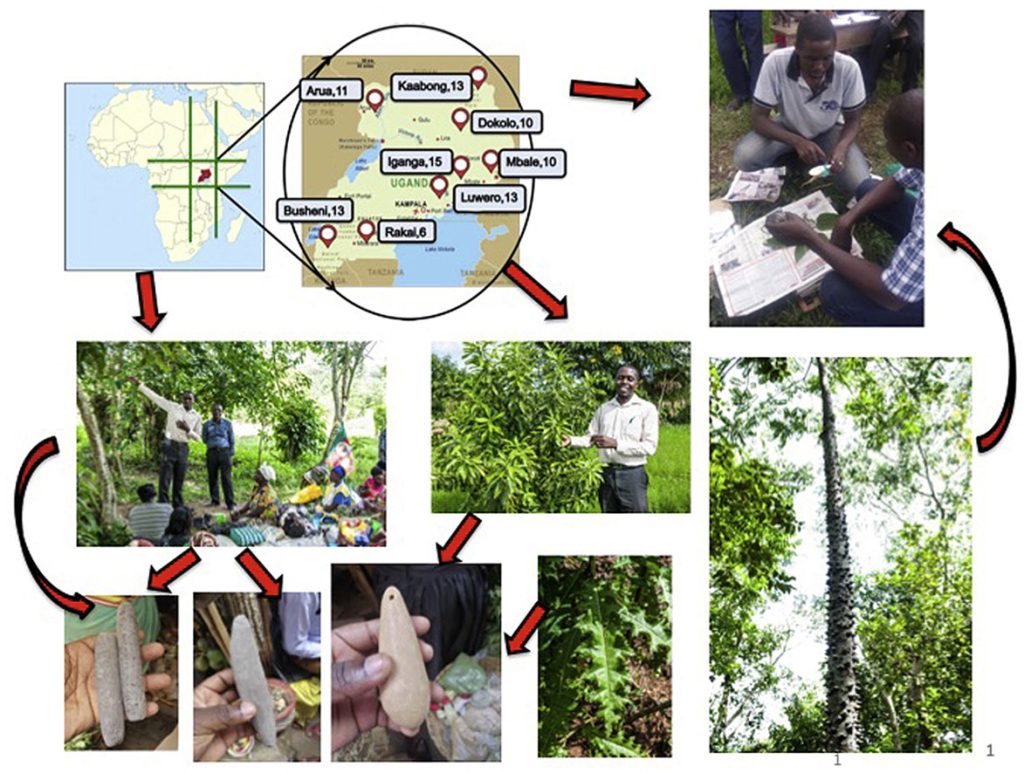
Key Medicinal Plants and Their Role
Prominent plants used include:
- Erythrina abyssinica and Warburgia ugandensis: Known for their antimicrobial properties.
- Zanthoxylum chalybeum and Azadirachta indica (neem): Effective against fungal and bacterial infections.
- Aloe vera and Mangifera indica (mango): Used for wound healing and gastrointestinal issues.
These plants are often prepared as decoctions, infusions, or pastes, addressing conditions like oral thrush, diarrhea, and chronic respiratory infections.
The Intersection of Traditional and Modern Medicine
Despite their geographical separation, herbalists exhibit a remarkable consensus on plant usage. Many encourage combining herbal remedies with ART, though this practice necessitates further research to ensure safety and efficacy. Alarmingly, some practitioners engage in risky methods, such as herbal injections, highlighting the need for ethical guidelines and education.
Preserving Biodiversity and Knowledge
The widespread use of these plants underscores the urgency of conserving Uganda’s biodiversity. Overharvesting and habitat loss threaten the availability of these vital resources. Simultaneously, documenting and validating traditional knowledge ensures its sustainability for future generations.
Why This Matters

(GYA) 2024 AGM & International Conference of Young Scientists in Washington DC at the National Academies of Sciences Engineering Medicine.
This study not only sheds light on the therapeutic potential of medicinal plants but also advocates for an integrated approach to healthcare. By valuing and scientifically evaluating indigenous practices, we can create a robust, inclusive system that addresses the unique challenges of HIV/AIDS in resource-constrained areas.
Discover More
Dive deeper into this groundbreaking research by exploring the full study, “Indigenous traditional knowledge of medicinal plants used by herbalists in treating opportunistic infections among people living with HIV/AIDS in Uganda,” published in ScienceDirect. Learn how traditional medicine continues to inspire modern solutions in the fight against HIV/AIDS.
Join the Conversation
Have you experienced or witnessed the power of traditional medicine? Share your thoughts and let’s celebrate the invaluable role of indigenous knowledge in global health.
Tags: African medicinal plants, anti-inflammatory action, Central Nervous System Disorders, HIV/AIDS in Africa, traditional medicine
.png)
.png)
Comments