

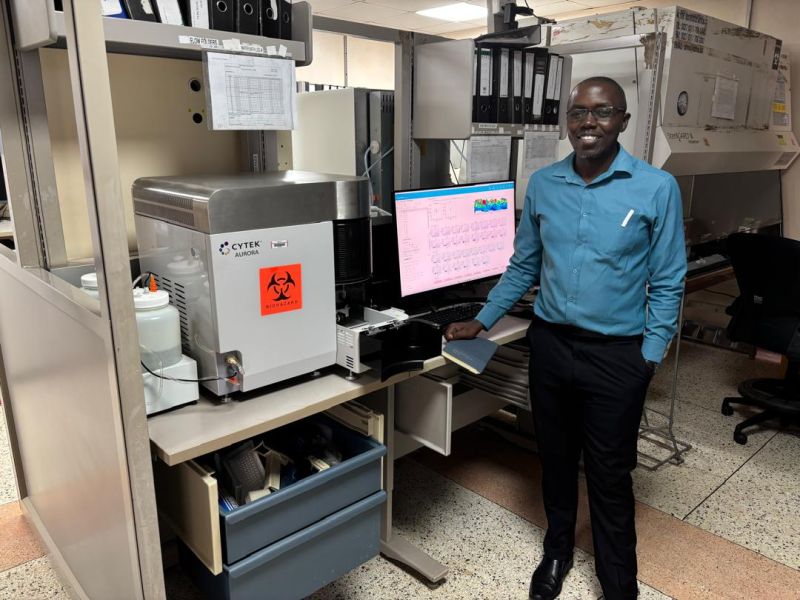
Scientific progress is often driven by long-term partnerships, shared expertise, and a commitment to addressing some of the world’s most pressing health challenges. A recent visit to the Makerere University Walter Reed Project (MUWRP) served as a reminder of how collaboration can spark new opportunities for research and innovation in Uganda’s growing biomedical research landscape.
MUWRP: A Center for HIV Vaccine Research in Uganda
Established in 2002, the Makerere University Walter Reed Project (MUWRP) was founded to support HIV vaccine development and strengthen vaccine testing capabilities in Uganda. Over the years, MUWRP has become one of East Africa’s leading research institutions, contributing significantly to infectious disease research, public health, and clinical trials.
A guided tour of the facility provided an opportunity to appreciate the state-of-the-art laboratories, highly skilled research teams, and world-class infrastructure that continue to support groundbreaking scientific discoveries.
Revisiting a Shared Research Journey
Research collaborations often produce lasting impacts. In 2021, a collaborative study titled “In-vitro Immunomodulatory Activity of Azadirachta indica A. Juss. Ethanol-Water Mixture Against HIV Associated Chronic CD4+ T-cell Activation/Exhaustion” was published.
The study can be accessed here:
https://lnkd.in/dADUUCyR
The research investigated the immunomodulatory effects of Azadirachta indica (Neem), a medicinal plant widely used in traditional medicine. The findings demonstrated that Neem extracts inhibited the progression of Staphylococcus enterotoxin B (SEB)-induced CD4+ T-cell activation and exhaustion without interfering with normal T-cell functions such as cytokine secretion.
These findings contribute to the growing body of evidence supporting the potential role of natural products in HIV-related immunological research and therapeutic development.
Why Scientific Collaboration Matters
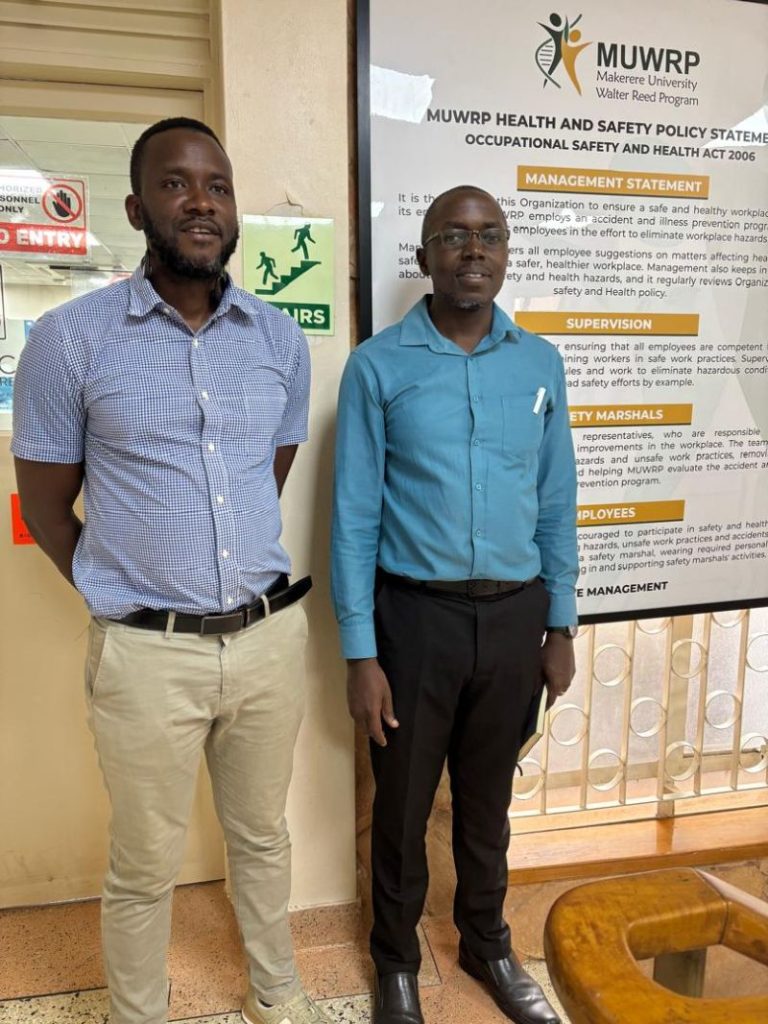
Scientific breakthroughs rarely occur in isolation. Institutions such as MUWRP create environments where immunologists, microbiologists, clinicians, public health experts, and molecular scientists can work together to address complex health challenges.
The benefits of collaborative research include:
- Access to specialized research infrastructure
- Shared scientific expertise
- Enhanced innovation and knowledge exchange
- Greater opportunities for research funding
- Increased impact of scientific discoveries
As global health challenges continue to evolve, partnerships between researchers and institutions remain critical to advancing solutions for HIV, emerging infectious diseases, and other public health priorities.
Looking Ahead: Building on Early Successes
The visit to MUWRP was not only an opportunity to reconnect with colleagues but also a chance to explore future collaborative projects. Discussions focused on rebuilding earlier research partnerships and identifying new areas for joint scientific investigation.
With access to advanced research facilities and a shared commitment to improving health outcomes, future collaborations hold tremendous promise for advancing immunology research in Uganda and beyond.
Conclusion
Uganda’s growing research ecosystem demonstrates the importance of investing in scientific infrastructure, talent, and partnerships. Institutions such as MUWRP continue to play a vital role in strengthening Africa’s contribution to global health research.
As researchers reconnect and establish new collaborations, the future looks bright for innovation in HIV research, immunology, and infectious disease control.
Further Reading
Research Publication: https://lnkd.in/dADUUCyR
Tags: AfricaResearch, BiomedicalResearch, GlobalHealth, HealthInnovation, HIVResearch, Immunology, InfectiousDiseases, MakerereUniversity, MedicalResearch, MUWRP, NeemResearch, PublicHealth, ScientificCollaboration, UgandaResearch
.png)
.png)
Comments