

Emerging and re-emerging infectious diseases remain among the most significant public health threats facing Africa today. Outbreaks of Ebola, cholera, malaria, neglected tropical diseases, and the growing challenge of antimicrobial resistance continue to test health systems across the continent.
Addressing these challenges requires more than emergency responses—it requires strong research institutions, well-trained scientists, regional collaboration, and sustainable investments in knowledge generation. The Emerging and Re-Emerging Infectious Diseases (TERID) Research Hub is helping to drive this transformation across East Africa.
What is the TERID Research Hub?
The TERID Research Hub, anchored at Makerere University in Uganda, is a pioneering initiative focused on strengthening Africa’s capacity to respond to emerging and re-emerging infectious diseases.
Learn more about the initiative here:
https://cartafrica.org/terid/
Additional information:
https://lnkd.in/dshTU86A
The Hub focuses on diseases that continue to pose major public health challenges, including:
- Ebola Virus Disease
- Malaria
- Cholera
- Neglected Tropical Diseases
- Antimicrobial Resistance (AMR)
These threats are increasingly influenced by climate change, globalization, population mobility, environmental change, and weak disease surveillance systems.
Building Research Capacity Through Training
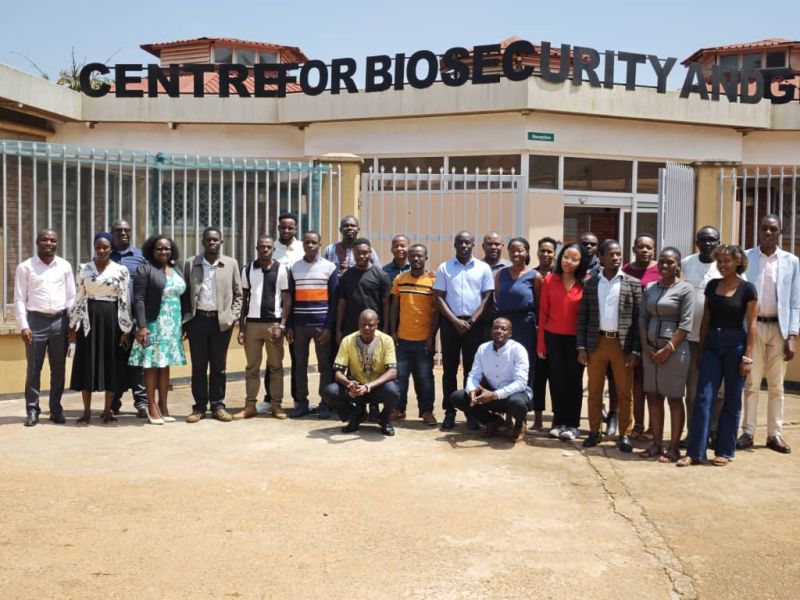
Recently, the Hub concluded a three-day manuscript development, submission, and publication workshop for postgraduate students at the College of Veterinary Medicine, Animal Resources and Biosecurity (CoVAB), Makerere University.
The workshop focused on helping young researchers develop skills in:
- Scientific writing
- Manuscript preparation
- Research publication
- Academic communication
- Knowledge dissemination
Research findings can only influence policy and practice when they are effectively communicated. Training researchers to publish their work is therefore essential to strengthening evidence-based decision-making across Africa.
Supporting the Next Generation of Scientists
The TERID Research Hub currently supports postdoctoral researchers from both Makerere University and the University of Rwanda. This regional approach strengthens scientific networks and promotes cross-border collaboration in addressing public health challenges.
The initiative is supported through CARTAfrica, a partnership involving:
- Makerere University
- University of Rwanda
- Swiss Tropical and Public Health Institute (Swiss TPH)
By connecting institutions across East Africa, the Hub is creating opportunities for collaborative research, mentorship, and scientific innovation.
The Importance of Regional Collaboration
Infectious diseases do not respect national borders. Effective disease surveillance, preparedness, and response require collaboration between researchers, universities, governments, and international partners.
The TERID Research Hub demonstrates how regional partnerships can:
- Strengthen disease surveillance systems
- Improve research quality and impact
- Enhance public health preparedness
- Build scientific leadership capacity
- Accelerate the translation of research into policy and practice
Investing in Africa’s Research Future
The future of infectious disease control in Africa depends on sustained investments in research infrastructure, scientific training, mentorship, and collaborative networks.
Through initiatives such as TERID, Africa is developing a new generation of researchers equipped to tackle emerging health threats and contribute solutions that improve lives across the continent.
Conclusion
Emerging and re-emerging infectious diseases will continue to challenge public health systems worldwide. However, through strategic investments in research capacity building, scientific collaboration, and postgraduate training, Africa is strengthening its ability to respond effectively.
The TERID Research Hub stands as a powerful example of how partnerships, mentorship, and research excellence can help build a healthier and more resilient future for East Africa.
Learn More
- TERID Research Hub: https://cartafrica.org/terid/
- Additional Information: https://lnkd.in/dshTU86A

.png)
.png)
Comments