

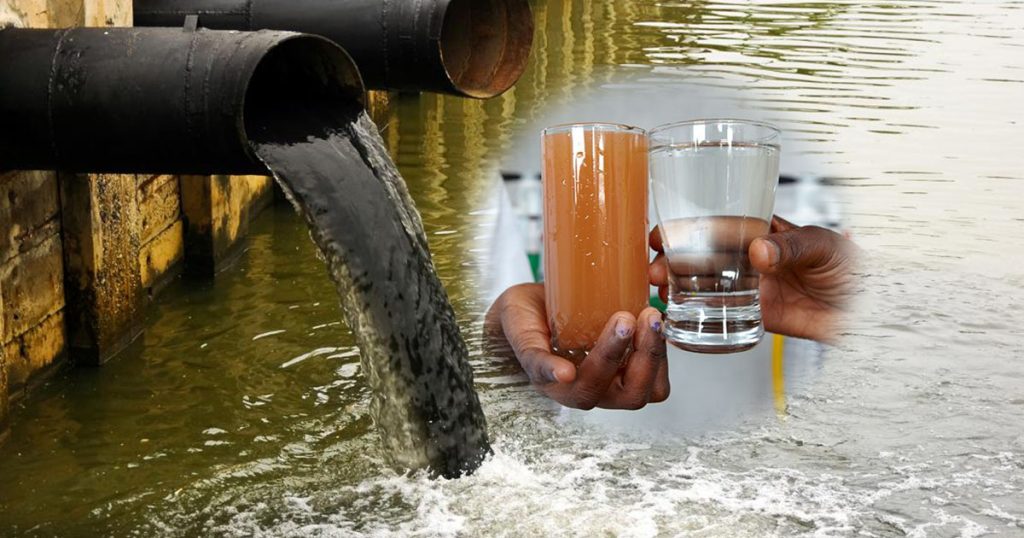
Volatile organic compounds (VOCs) and other pollutants pose a significant threat to human health and the environment. With growing industrialization, the search for sustainable, cost-effective solutions has become crucial. This is where biosorbents—biologically derived adsorbents—emerge as game-changers. If you’re curious about how these materials are revolutionizing wastewater treatment, air purification, and metal recovery, our book, Biosorbents: Diversity, Bioprocessing, and Applications, is an essential resource.
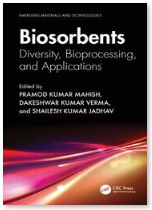
Co-edited by Pramod Kumar Mahish, Dakeshwar Kumar Verma, and Shailesh Kumar Jadhav, this comprehensive work explores the fundamentals and cutting-edge applications of biosorbents. Published by CRC Press in 2024, the book is available on the Taylor & Francis eBooks platform. Access it here: https://doi.org/10.1201/9781003366058.
What Are Biosorbents?
Biosorbents are materials derived from natural sources—such as algae, fungi, bacteria, agricultural waste, and plant residues—that effectively adsorb and immobilize pollutants. These eco-friendly alternatives are invaluable for addressing challenges in:
- Wastewater treatment: Removing heavy metals, dyes, and organic pollutants.
- Metal recovery: Extracting valuable metals like gold and platinum.
- Air purification: Capturing VOCs to improve air quality.
- Biosensors: Enhancing the detection of environmental contaminants.
A Closer Look: Chapter 15 – Biosorption of Volatile Organic Compounds
As contributors to Chapter 15, we (Godwin Anywar, Jane Namukobe, Patience Tugume, Jamilu Ssenku, Moses Okol, and Julius Mulindwa) focus on the pressing issue of VOC removal. VOCs are hazardous hydrocarbons with high volatility, posing risks to human health and environmental integrity. Our chapter delves into:
- Microbial Biosorption: Highlighting the role of heterotrophic bacteria and fungi in detoxifying organic pollutants.
- Algal Applications: Exploring how macro- and microalgae adsorb petroleum-based VOCs.
- Innovative Approaches: Discussing food waste materials and synthetic biosorbents as emerging solutions.
By leveraging biosorption, industries can achieve cost-effective, sustainable, and scalable pollution control, making this technology a cornerstone of modern environmental management.
Why Read Biosorbents: Diversity, Bioprocessing, and Applications?
This book not only introduces you to the science behind biosorbents but also equips you with practical insights for real-world applications. Key features include:
- Comprehensive coverage of flora and fauna-mediated biosorbents.
- Detailed discussion of adsorption kinetics, isotherms, and mechanisms.
- Insights into advanced pretreatment methods to boost adsorption efficiency.
- Applications spanning heavy metal remediation, dye removal, and even nanotechnology.
Whether you’re a graduate student, researcher, or industry professional in bioprocess engineering, microbiology, or biotechnology, this book provides an indispensable reference for understanding and applying biosorption technologies.
Get Your Copy Today!
Dive deeper into the fascinating world of biosorbents and their transformative potential. Order your copy of Biosorbents: Diversity, Bioprocessing, and Applications on Taylor & Francis eBooks: https://doi.org/10.1201/9781003366058.
Together, let’s harness the power of nature to create a cleaner, healthier world.
Tags: Bioprocessing and Biotechnology, Biosorbents and Environmental Solutions, Sustainable Pollution Control, Volatile Organic Compounds Removal, Wastewater Treatment Innovations
.png)
.png)
Comments